Among the various specializations available to Ayurvedic practitioners, Marma point therapy holds a particular place — it's precise, it requires real anatomical and energetic understanding, and it's genuinely different from general massage technique in a way that makes it a meaningful addition to a practitioner's skill set rather than a minor variation on what they already know. If you're considering training in it, here's what the practice actually involves and what to expect from a hands-on course.
What Marma Points Actually Are
In Ayurvedic theory, marma points are specific locations on the body considered centers of vital energy — points where muscles, veins, tendons, bones, and joints intersect in ways believed to have a particularly significant effect on the body's overall energy flow when stimulated correctly. There are 107 recognized marma points across the body, varying in size and sensitivity, and each is associated with particular physical or energetic effects when worked with the correct pressure and technique.
This concept has some overlap with acupressure points in Traditional Chinese Medicine, though the two systems developed independently and aren't identical in their mapping or theoretical framework.
Why This Is a Specialization, Not Just Another Massage Technique
Working marma points correctly requires more than knowing their locations. It requires understanding the specific pressure, angle, and duration appropriate for each point, since incorrect technique can be ineffective at best and genuinely uncomfortable at worst. This is part of why Marma therapy is typically taught as a distinct specialization rather than folded casually into general massage training — it demands a level of precision and anatomical understanding that goes beyond broad-stroke technique.
For practicing therapists, adding Marma therapy to their skill set means being able to offer a more targeted, specialized treatment for clients dealing with specific energetic or physical blockages, rather than relying solely on general full-body massage approaches.
What Training Actually Involves
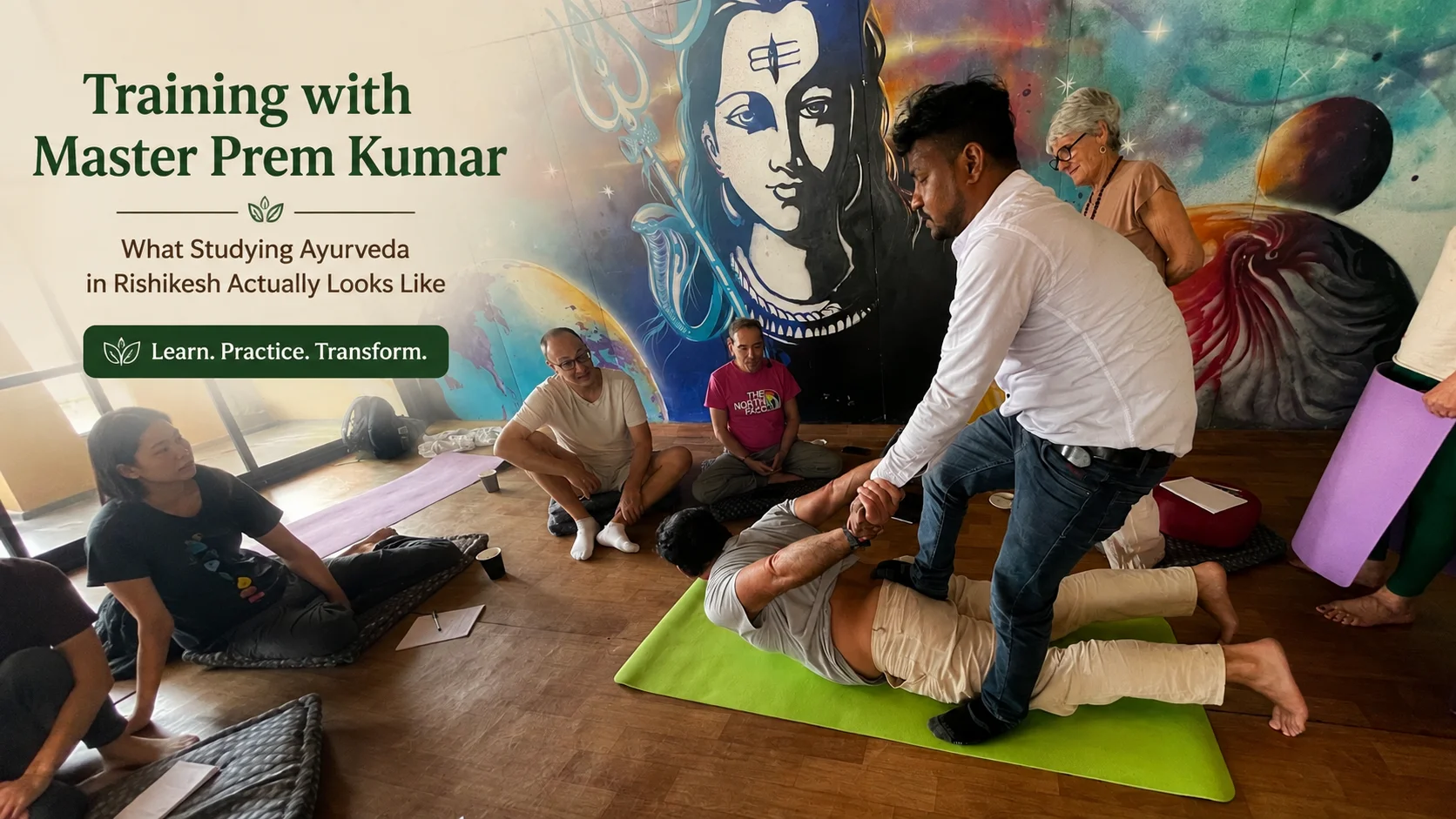
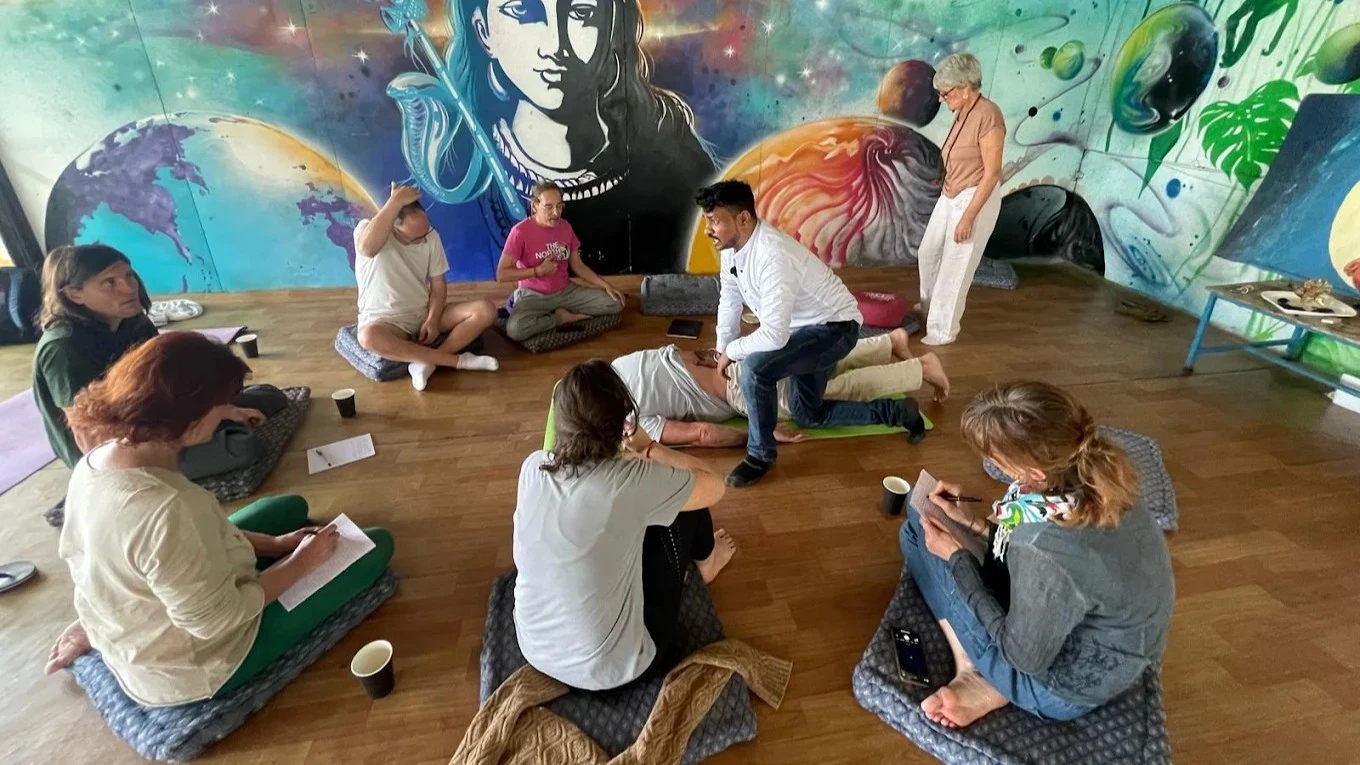
A genuine, hands-on Marma therapy course covers the location and function of the key marma points across the body, the correct pressure and technique for working each one safely and effectively, and how to identify which points are relevant to a particular client's concerns during consultation. Training typically combines theoretical study with extensive supervised practice — locating points accurately on a real body is a skill that develops through repetition and correction, not just memorizing a diagram.
Courses vary in length depending on depth — a standalone Single Marma Course focuses entirely on this specialization for those who already have massage fundamentals, while a combined course pairs marma training with broader Ayurvedic massage technique for those building both skill sets simultaneously.
Who Typically Pursues This Training
Marma therapy training tends to attract practicing massage therapists looking to add a genuine specialization to their existing skill set, yoga teachers wanting to deepen their understanding of the body's energetic framework, and Ayurveda students specifically drawn to this more precise, energetically-focused branch of the practice. It's less commonly a first course for complete beginners, since some prior familiarity with massage or bodywork makes the more technical aspects of marma training easier to absorb.
What Makes Training in Rishikesh Specifically Valuable
Rishikesh has a genuine concentration of practitioners trained through classical, often family or gurukul-style lineages, rather than short generic certificate programs. For a specialization like Marma therapy, which depends heavily on correct, carefully supervised hands-on practice rather than theory alone, training under practitioners with this kind of depth of experience matters more than it might for a broader, more generalized skill.
After Training: What You're Actually Equipped to Do
Completing a Marma therapy course means being able to confidently and safely identify and work the body's key marma points as part of a treatment session, either as a standalone Marma Massage offering or integrated into broader Ayurvedic massage sessions. It's a specialization that distinguishes a practitioner's offering, particularly for clients specifically seeking more targeted, precise bodywork rather than general relaxation massage.
FAQ
Do I need prior massage experience to take a Marma therapy course? It's not strictly required, but prior massage or bodywork experience makes the more technical aspects of marma training easier to grasp. Complete beginners may benefit more from a combined course that includes massage fundamentals alongside marma training.
How many marma points will I actually learn? Ayurvedic tradition recognizes 107 marma points across the body. A thorough course covers the location, function, and correct technique for the most clinically significant of these, building toward broader competence over the course duration.
Is Marma therapy the same as acupressure? They share some conceptual similarities — both work specific points on the body believed to affect broader energy flow — but they developed as separate systems with different theoretical frameworks and point mapping.
How long does Marma therapy training typically take? This varies by course depth — a focused Single Marma Course is more compact, while a combined course integrating massage fundamentals with marma training generally runs longer.
Can Marma therapy training lead to professional certification? Yes, structured hands-on courses typically conclude with practical evaluation and certification, recognized as evidence of genuine trained competence in the specialization.